
Tackling food-related single-use plastics in diverse consumption contexts
Chief Investigator (CI)
Funding Partner: Australian Research Council, Discovery Early Career Researcher Award (DECRA)
Project Timeline: 2024 - 2027
ARC DECRA
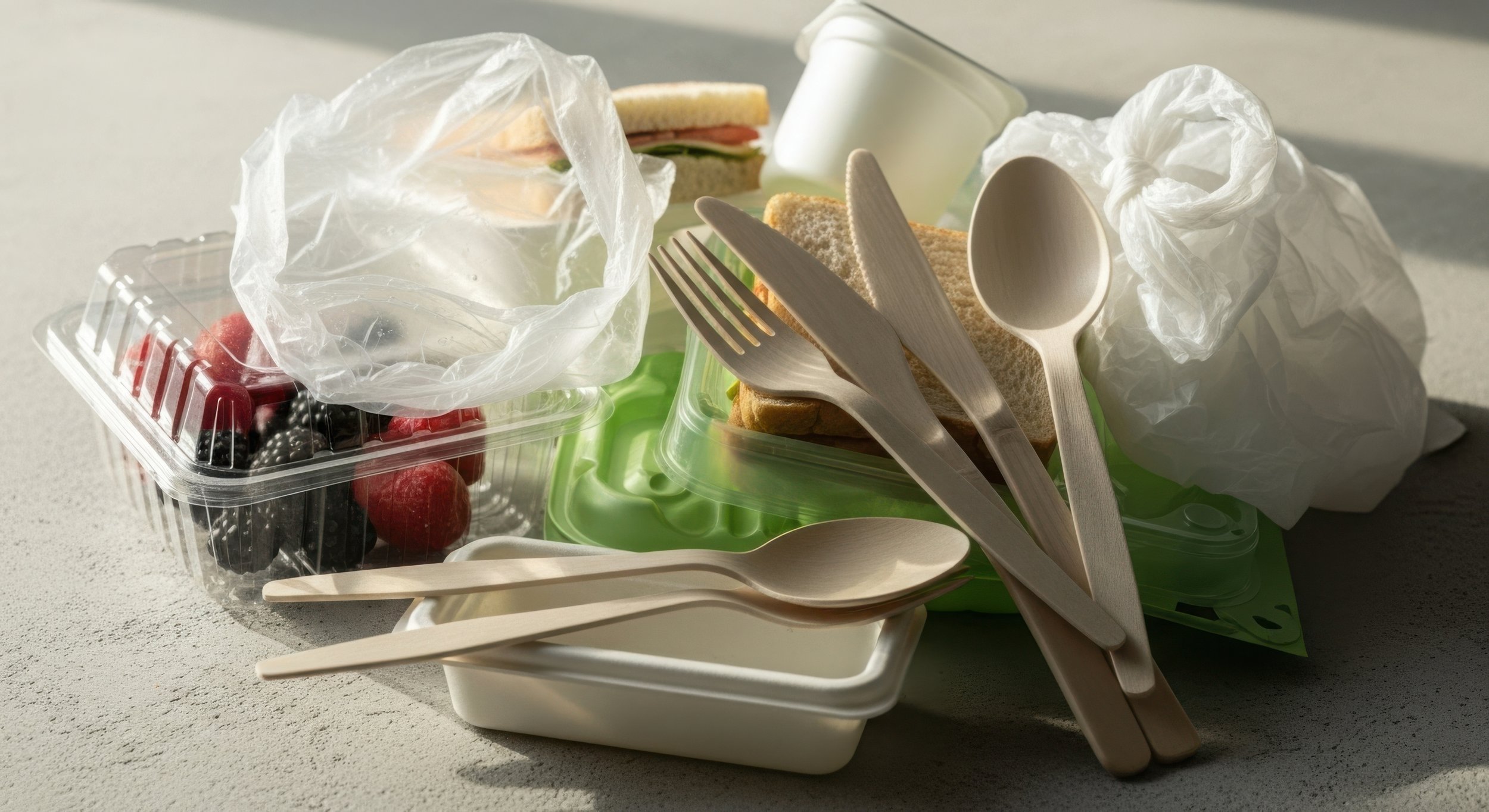
This project delivers Australia’s first detailed investigation into the lived experience of food-related single-use plastics and packaging, examining how these materials are used, managed and experienced through everyday practices such as shopping, eating, takeaway consumption and waste disposal.
While plastic bans and reduction policies are increasingly being introduced across Australia, their impacts are not felt equally. The project explores how current policies and programs may overlook the diverse social, economic and practical realities that shape people’s ability to reduce or avoid single-use plastics.
Using critical social science approaches, the research investigates the uneven impacts of consumer-focused plastic interventions and seeks to understand the relationship between individual practices and the broader systems that enable or constrain them.
With this project, we are combining innovative qualitative methods—including semi-structured interviews, participant-generated video essays, focus groups and Delphi surveys—to build a rich evidence base in the fields of sustainable consumption and waste studies.
The research is structured across three interconnected stages.
The first stage examines everyday consumer practices involving single-use food plastics, co-producing detailed qualitative insights with participants through interviews and video-based methods.
The second stage maps how these practices connect to larger social, institutional and infrastructural systems through focus groups with key intermediaries such as retailers, waste practitioners, community organisations and policy actors.
The final stage develops and tests a capability development framework for policy making, using the Delphi survey technique to identify effective, equitable and practicable approaches to managing single-use food plastic waste.
By centring lived experience alongside policy analysis, the project aims to generate new conceptual and methodological approaches for waste management that are grounded in the realities of everyday life. The findings will support Australia’s capacity to design more effective and equitable waste and plastics policies, ensuring that current and future initiatives—including the National Waste Policy and National Plastics Plan—better reflect the diverse experiences and capabilities of the communities they are intended to serve.
Dr. Bhavna Middha serves as the Lead Chief Investigator for the research project titled "Examining the Container Deposit Scheme in Victoria as an equitable and sustainable waste management strategy" funded by Enabling Impact Platforms (EIP) at RMIT University. This study evaluates how well the state's recycling initiative functions across diverse socio-spatial contexts, addressing accessibility gaps for marginalised groups like high-density apartment resident.
Related publications