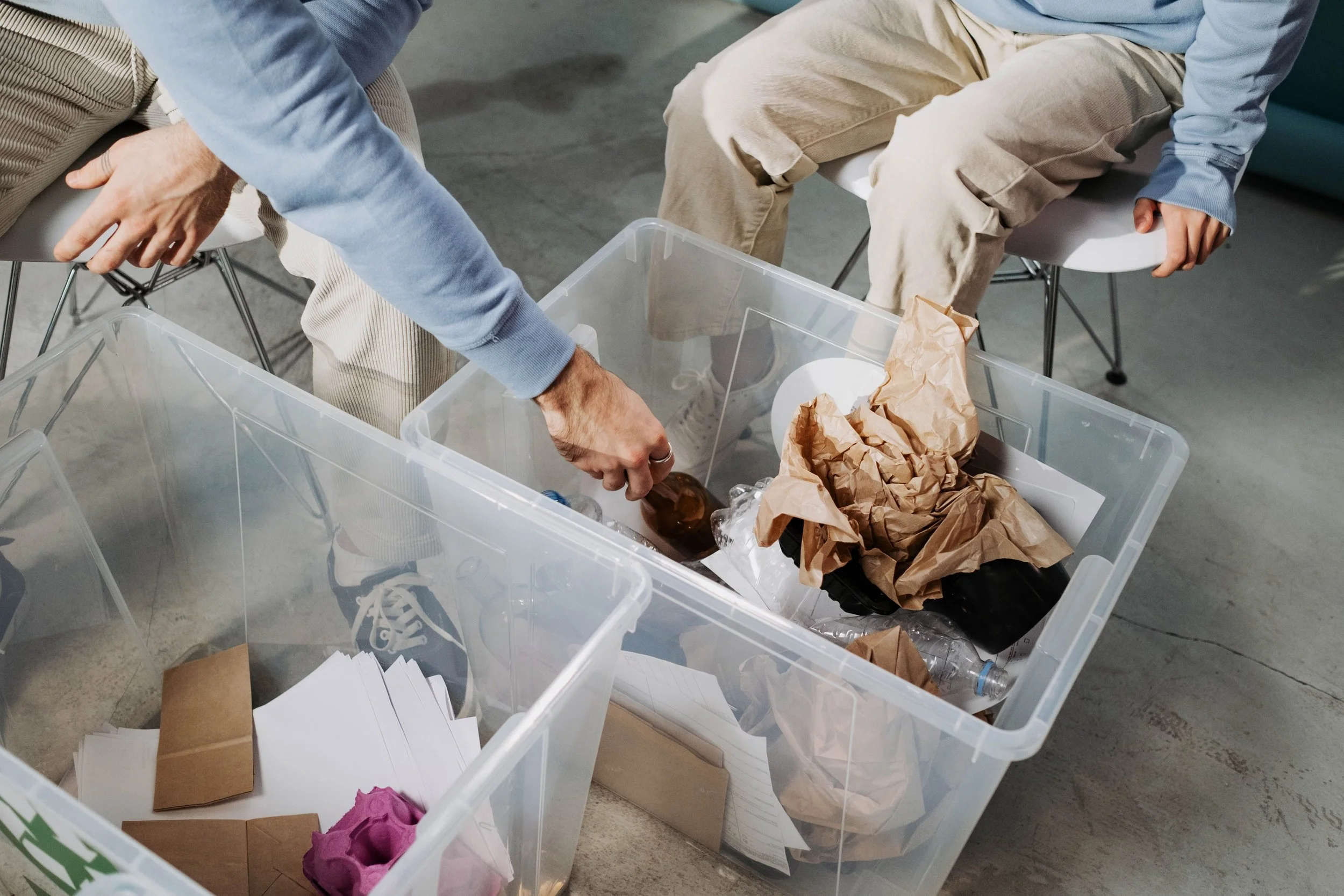
My approach is practice-based, grounded in justice, equity, using qualitative methods including digital ethnography.
I work at the intersection of sustainability, justice, and everyday life — bringing research, policy, and industry together to shape transitions that are fair as well as effective.
I'm a sustainable consumption scholar and social practice theorist, working across the social and spatial dimensions of food, plastics, energy, and waste.

Plastics & Packaging, reconsidered
Australian Research Council
DECRA Project
Australia is rewriting its rules on single-use food plastics and packaging — bans, phase-outs, regulations and alternatives are being implemented quickly, state by state.
My Australian Research Council DECRA project ‘Tackling food-related single-use plastics in diverse consumption contexts’ grounds those changes in real homes, at real budgets, across everyday routines.
It traces the uneven impact of those interventions: how practices shift easily, or don't, and why.
Using in-depth qualitative and ethnographic research, it builds a first-of-its-kind evidence base on the lived experience with food plastic in Australia — knowledge designed to feed directly into the next National Waste Policy and National Plastics Plan, so that policies and regulations are based on how people actually live, not just how we'd like them to.
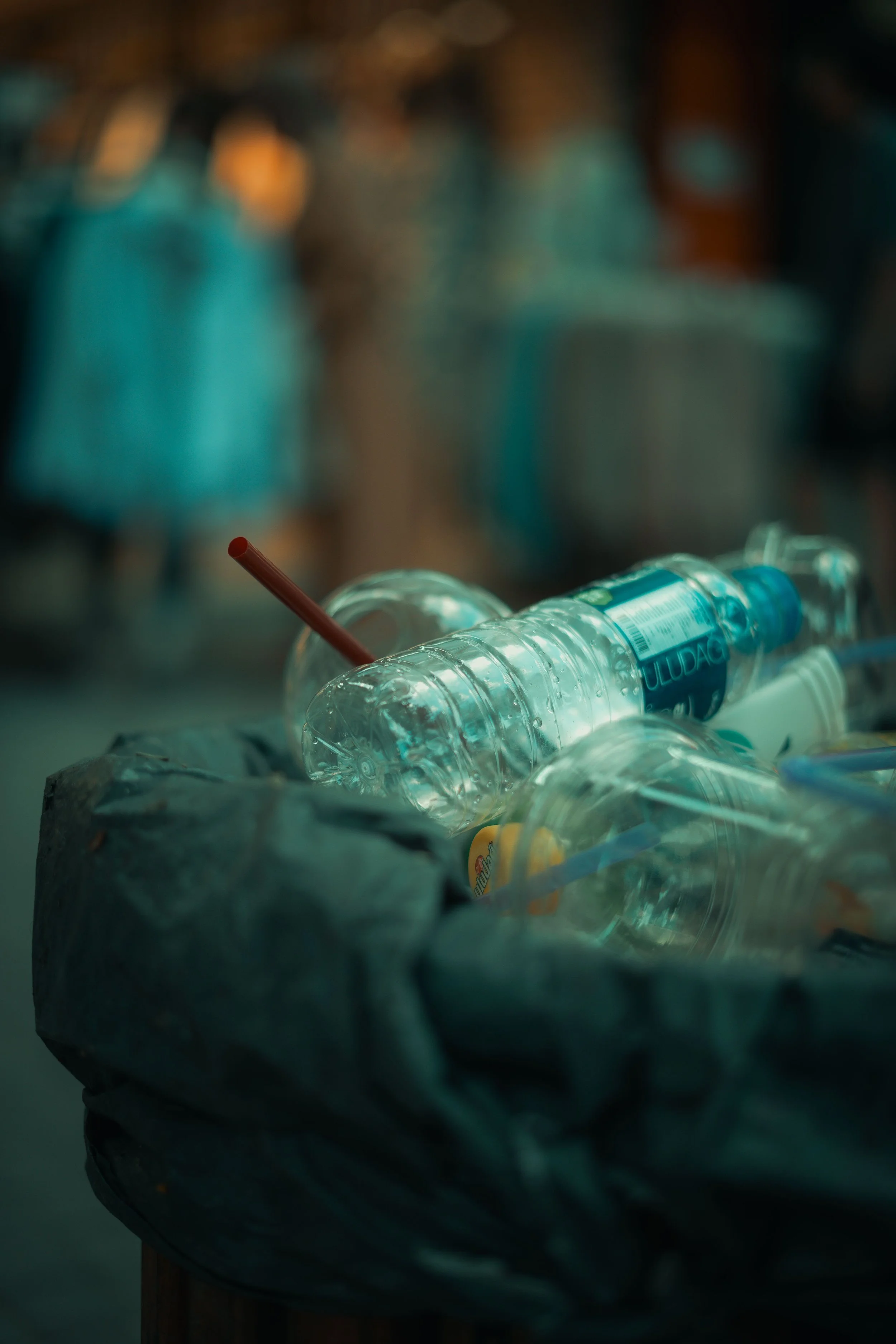
Single-use food plastics are easy to ban and hard to live without.
This project traces that gap — and what it means for the next National Waste Policy and National Plastics Plan
This project delivers Australia’s first detailed investigation into the lived experience of food-related single-use plastics and packaging, examining how these materials are used, managed and experienced through everyday practices such as shopping, eating, takeaway consumption and waste disposal.
While plastic bans and reduction policies are increasingly being introduced across Australia, their impacts are not felt equally. The project explores how current policies and programs may overlook the diverse social, economic and practical realities that shape people’s ability to reduce or avoid single-use plastics.
Using critical social science approaches, the research investigates the uneven impacts of consumer-focused plastic interventions and seeks to understand the relationship between individual practices and the broader systems that enable or constrain them.
With this project, we are combining innovative qualitative methods—including semi-structured interviews, participant-generated video essays, focus groups and Delphi surveys—to build a rich evidence base in the fields of sustainable consumption and waste studies.
Chief Investigator (CI)
Funding Partner: Australian Research Council,
Discovery Early Career Researcher Award (DECRA)
Project Timeline: 2024 - 2027
The research is structured across three interconnected stages.
The first stage examines everyday consumer practices involving single-use food plastics, co-producing detailed qualitative insights with participants through interviews and video-based methods.
The second stage maps how these practices connect to larger social, institutional and infrastructural systems through focus groups with key intermediaries such as retailers, waste practitioners, community organisations and policy actors.
The final stage develops and tests a capability development framework for policy making, using the Delphi survey technique to identify effective, equitable and practicable approaches to managing single-use food plastic waste.
By centring lived experience alongside policy analysis, the project aims to generate new conceptual and methodological approaches for waste management that are grounded in the realities of everyday life.
The findings will support Australia’s capacity to design more effective and equitable waste and plastics policies, ensuring that current and future initiatives—including the National Waste Policy and National Plastics Plan—better reflect the diverse experiences and capabilities of the communities they are intended to serve.
Read the Submission to the Senate Environment and Communications Legislation Committee:
Extended Producer Responsibility Scheme for Packaging (No Time to Waste) Bill 2026
Related publications
Other research projects
-
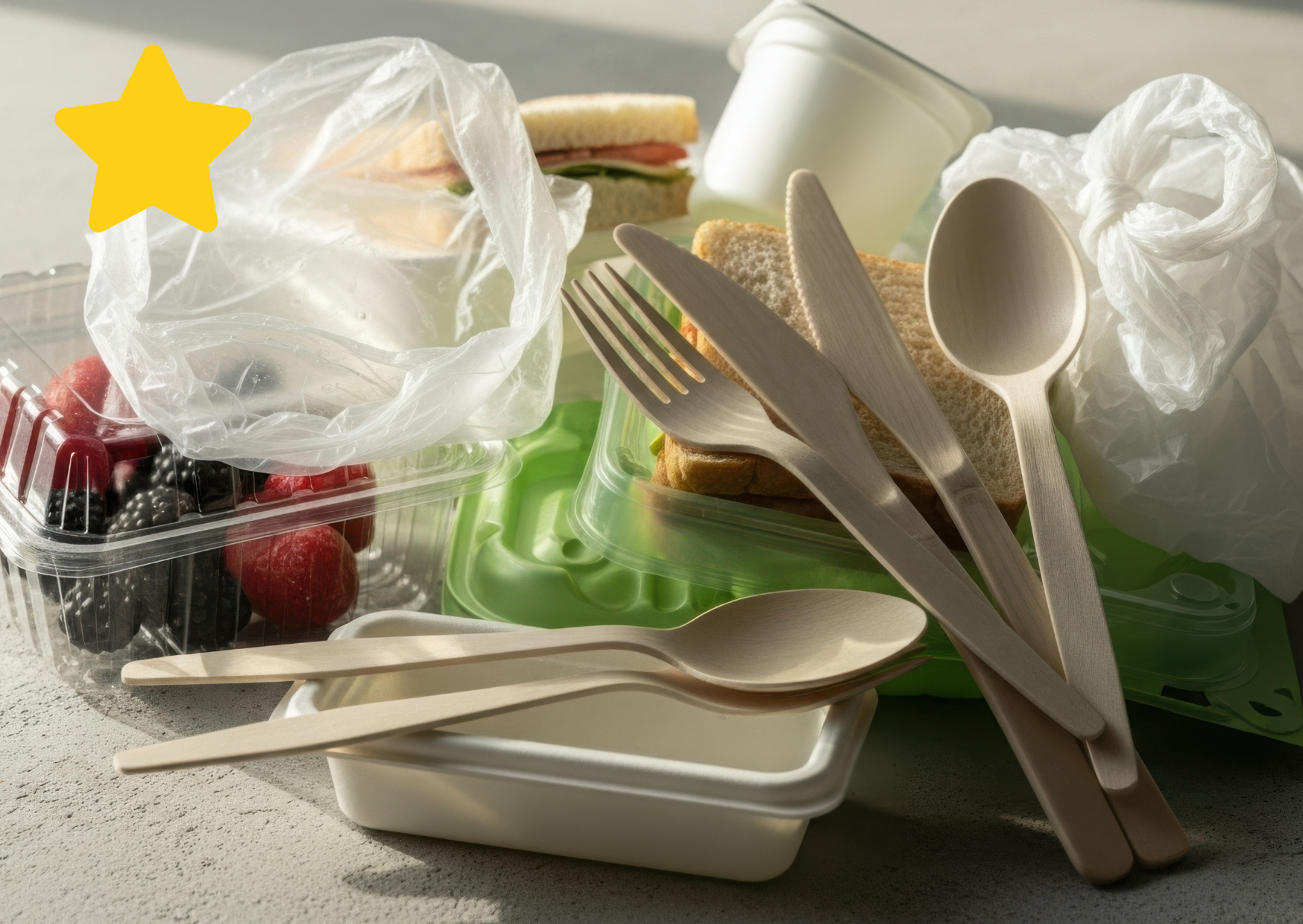
![A collection of disposable containers and utensils, including a plastic clamshell with fresh berries, a green plastic food container with sliced bread, a white bowl with wooden utensils, a paper cup, a plastic cup, a plastic bag with a sandwich, and a plastic bag with a yogurt cup.]()
Tackling food-related single-use plastics in diverse consumption contexts
Delivering Australia’s first detailed account of the lived experiences of food-related single-use plastics and critically assesses how uneven impacts of plastic strategies highlight gaps in current policy and program design. -
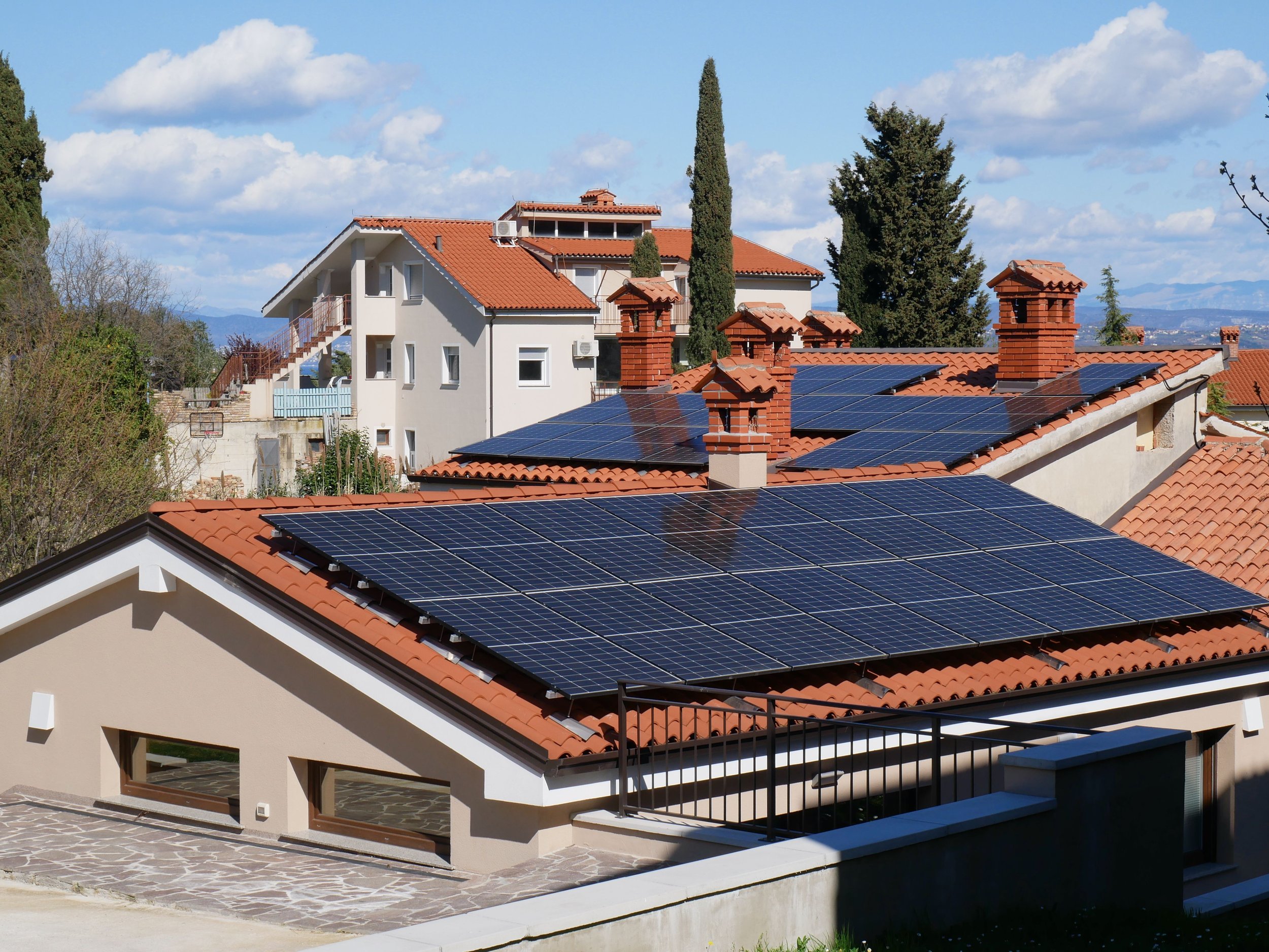
![A house with a white exterior, red tiled roof, and installed solar panels, surrounded by trees and set against a blue sky with clouds.]()
Empowering households in resource-efficient sustainability transitions
Investigating how households can become active agents of change in creating more resource-efficient communities. By examining everyday practices across energy, water, food, and waste, it generates evidence to inform practical interventions, policy, and service innovation. -
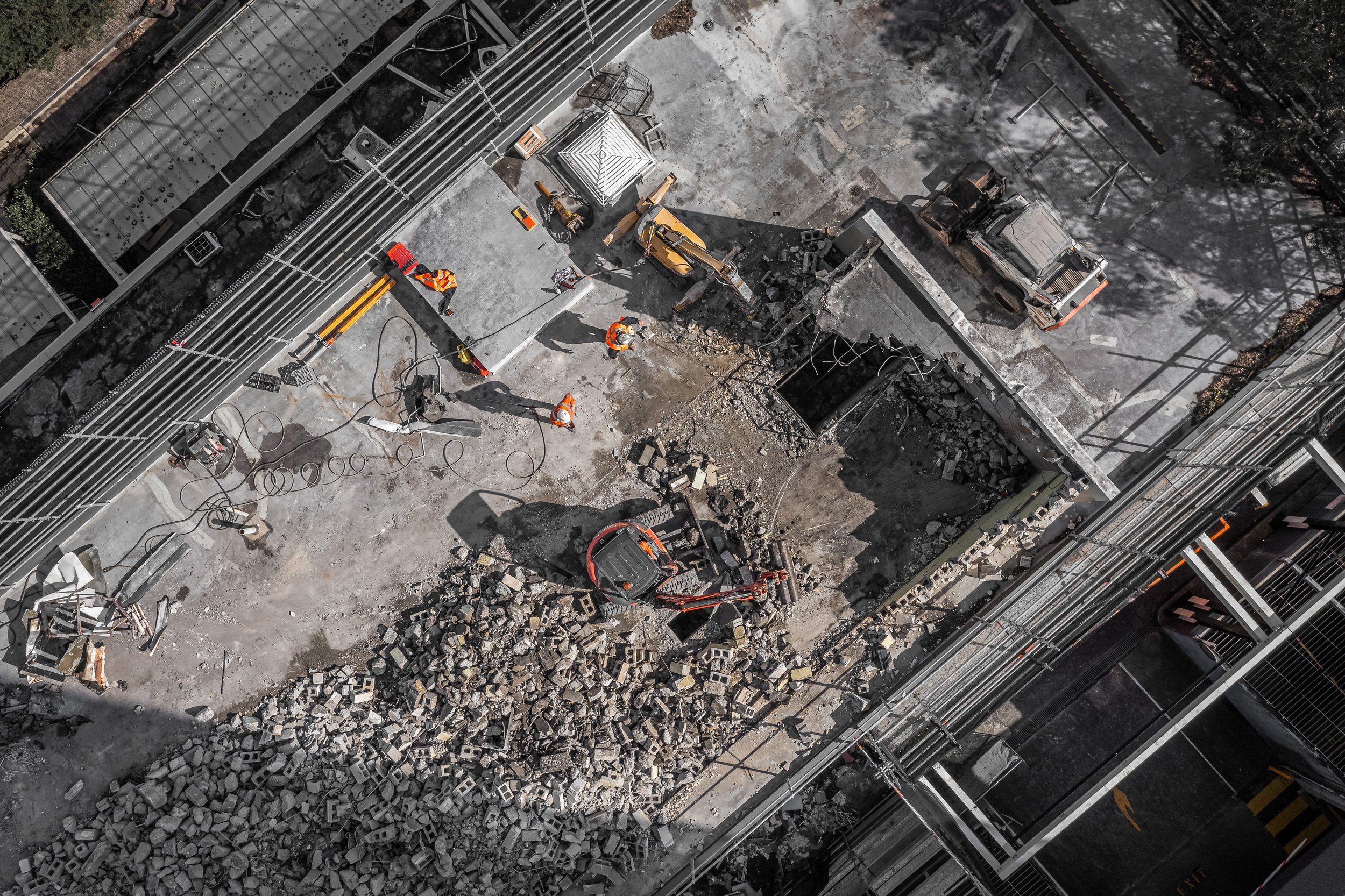
![An aerial view of a construction site with workers in orange safety vests, machinery, and piles of broken concrete and bricks.]()
Social and Policy Dimensions of Waste Minimisation and Waste Management
Investigates reuse in Australia’s building and construction sector as a key but underutilised waste-reduction strategy, while critically examining how digital procurement systems may exclude reused materials and what is needed to establish reliable reuse supply chains. -
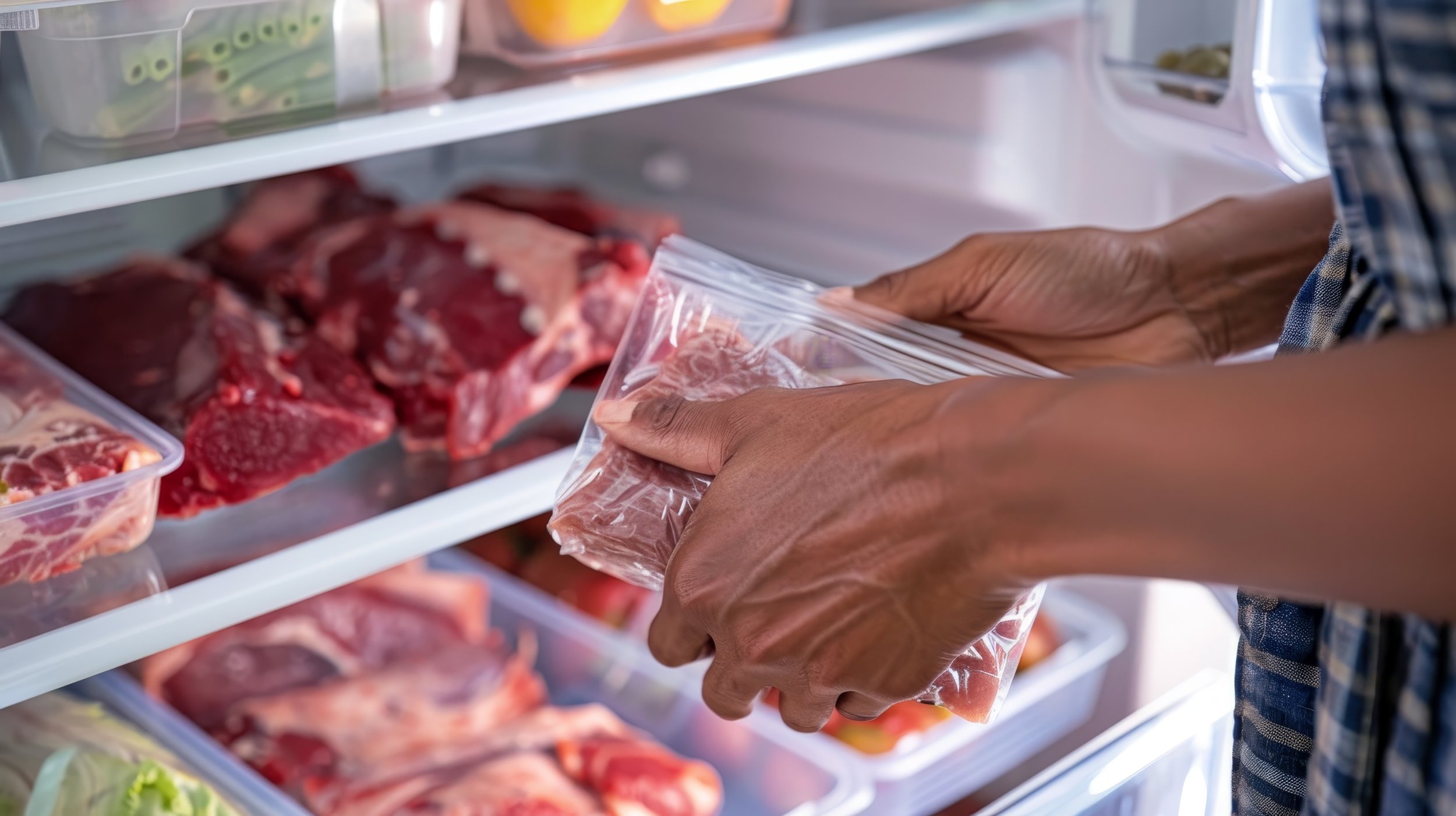
![Person putting raw meat in a plastic bag inside a refrigerator with other meat packages on shelves.]()
Fight Food Waste: Consumer Fridge Behavior and Waste Reduction of Red Meat
Addresses household meat waste in Australia by examining fridge performance and consumer behaviour. By studying household food storage and consumer behaviour, this project developed practical solutions to reduce meat waste and improve environmental and social outcomes. -
![Two people sitting on chairs sorting items in plastic storage bins filled with papers, crumpled brown paper, and other assorted objects. One person is wearing a blue long-sleeve shirt and khaki pants, the other's clothing is partially visible.]()
TRASH: transforming refuse in apartments for sustainable housing
This project works with apartment residents, local governments, and the waste sector to co-design practical solutions that improve recycling and reduce waste across multi-unit developments. By testing interventions across Melbourne and Sydney, it aims to create scalable models that support more sustainable and equitable urban living.